
Facts & prices checked: 2026-10-12
Two warm, beach-centred destinations, both on many European travelers’ shortlists. Zanzibar and Thailand land in such different positions for almost every traveler who looks carefully that comparing them soon reveals two different holiday philosophies.
Disclosure: Tim Hennig, who wrote this guide, has lived on Zanzibar since 2011 and manages Boutique Hotel Matlai at Michamvi Pingwe on the east coast. Keep that in mind when you read the Zanzibar sections; Thailand is often the better answer, and the sections below say when.
Two different beach holidays
Zanzibar is an Indian Ocean island with a single main settlement (Stone Town, a UNESCO World Heritage Site built in coralline ragstone) surrounded by beaches ranging from the Kusi wind-blown kite flats at Paje to the deep-water, tide-free swimmability of Nungwi. It combines a specific, layered cultural history (Omani sultans, the spice trade, the East African slave trade, Swahili culture) with Indian Ocean marine life that is unlike anywhere else in the world. The beach is not the main thing. It is one of several main things.
Thailand is a Southeast Asian country with multiple island chains, a globally famous city in Bangkok, a food culture considered one of the world’s great cuisines, and decades of international tourism investment that has produced some of the most developed independent travel infrastructure in Asia. A single Thailand trip can combine Bangkok, Chiang Mai, and multiple island types in ways that Zanzibar, a single island, simply cannot replicate. Thailand has scale; Zanzibar has depth.
The comparison is not about which is better. It is about which trip you are designing.
Zanzibar’s case: culture, wildlife, and the UNESCO layer
Stone Town, Mji Mkongwe, was inscribed on the UNESCO World Heritage List in 2000 (List #173), recognized as an outstanding example of a Swahili coastal trading town, built largely in coralline ragstone and mangrove timber. The Omanis built the Old Fort between 1698 and 1701 on the ruins of a Portuguese chapel. Sultan Said later moved his court to Stone Town (dated between 1832 and 1840, depending on the source), making it the commercial capital of East Africa’s spice trade. Stone Town was also the main slave-trading port of East Africa (a symbolic site for the entire history of the East African slave trade) and the abolition of the trade here in 1873 is woven into the physical fabric of the city. Taarab music, which dates to the 1880s in Zanzibar and blends African, Arab, Indian and European traditions, is still performed on the island.
The wildlife case for Zanzibar is built on several unique elements. The Zanzibar red colobus (Piliocolobus kirkii) is an endemic species that exists only on Unguja and two small nearby islands. The first complete census counted 5,862 individuals in 342 groups; approximately 3,000 of those live in Jozani Chwaka Bay National Park, the only national park on the main island. The species is listed Endangered on the IUCN Red List and classified on CITES Appendix I. Jozani is 35–38 km southeast of Stone Town, approximately 40–45 minutes by road, and a guided half-day visit is the simplest possible wildlife experience.
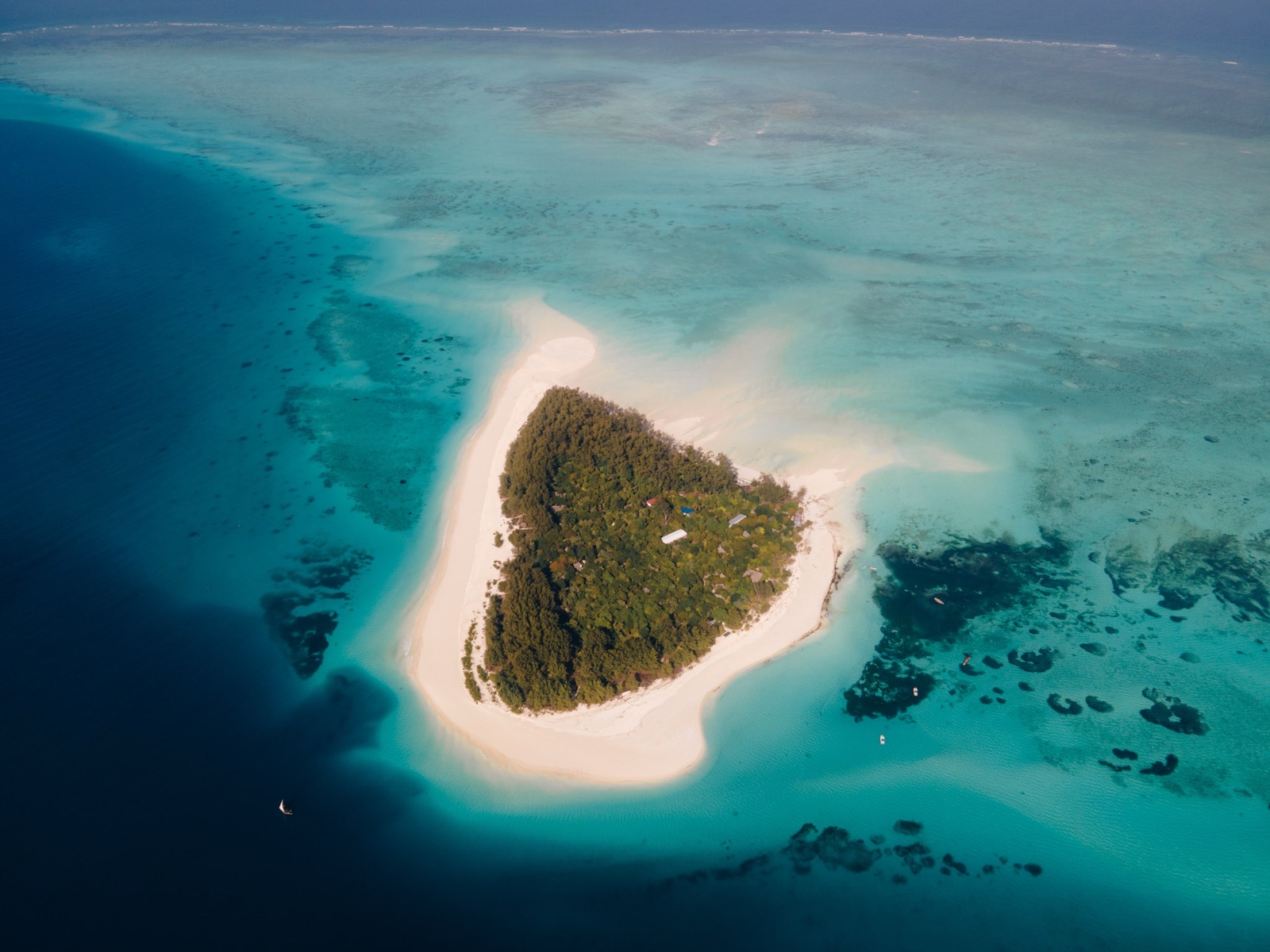
Mafia Island, south of Zanzibar and not part of the Zanzibar archipelago, is reached by a short domestic flight from Dar es Salaam or Zanzibar (around 20 to 30 minutes) and has one of the Indian Ocean’s most reliable whale shark aggregations. The season runs October through March. Closer to Zanzibar, whale sharks are also present off Kizimkazi on the south coast from October to February. Most standard whale shark snorkelling tours at Mafia cost USD 50–70 per person, with a range from about USD 30 to USD 200 depending on inclusions. These are encounters with the largest fish on earth.
Pemba Island, north of the main Zanzibar island, is where serious divers come. The Pemba Channel has visibility typically reaching 30–60m, with strong East African Coastal Current conditions on the eastern and southern shores suited to experienced divers. The western coast is more accessible. Mnemba Atoll, just off Zanzibar’s northeast tip, is the marquee reef: crowded with boats, with active coral restoration under a CORDAP project covering 4 hectares through September 2027.
Entry into Tanzania is USD 50 for a single-entry visa for most nationalities. Tanzania also requires mandatory inbound travel insurance, USD 44 per adult. If Zanzibar is your first stop it is ZIC, bought at inbound.visitzanzibar.go.tz before arrival (a counter at the airport sells it too if you forget); if you land on the mainland first it is NIC, and that one policy covers the whole journey. Both costs are fixed and transparent.
Thailand’s case: variety, infrastructure, and the city combination
Thailand’s strongest argument is scale and variety. A single Thailand trip can combine a large capital city, several different island types, and a different cultural region in the north around Chiang Mai. Ko Tao in the Gulf of Thailand is a popular scuba certification destination, and the Similan Islands on the Andaman coast are a well-known dive area. The range within one country is something Zanzibar, as a single island, cannot offer.
Bangkok is a major world city with temples (Wat Pho, Wat Arun, the Grand Palace), street food, markets and a large Chinatown. A Thailand trip that skips Bangkok leaves a lot out. Zanzibar’s city equivalent is Stone Town, which is fascinating for half a day to a full day but not a city in Bangkok’s sense.
Thailand’s food culture is on a different scale from Zanzibar’s. Zanzibar has good food: the Forodhani Gardens Night Market in Stone Town is the main night street-food spot, and spice-influenced Swahili cooking has a distinct identity. But Thai cuisine is one of the world’s great food traditions, and that is not a competition Zanzibar enters.
Thailand has long-established tourist infrastructure, with ferries between islands, domestic flights and accommodation at every price point. Zanzibar is easy to travel, but the infrastructure is simpler and the range is narrower.
Journey time from Europe
For German travelers, Zanzibar is closer than many people expect. Condor operates a nonstop Frankfurt–Zanzibar service at approximately 9 hours and 10 minutes, with seasonal services also from Munich, Düsseldorf and Zurich. Other European carriers connect via hubs such as Nairobi, Addis Ababa, or Dubai.
Zanzibar is often seen as “far away” and Thailand as “reasonably close” for Europeans. Compare the actual flight times for your dates, because the Condor nonstop changes the picture for travelers from Central Europe.
Marine life and diving
Both are serious diving destinations. They are different in character.
Diving visibility around Pemba reaches 30–60 m. The east and south of Pemba is experienced-diver territory with strong currents; the western coast is more accessible. Mnemba Atoll north of Unguja is the famous snorkelling and diving site. It has suffered bleaching and anchor damage, and restoration is underway. Mafia Island, to the south, is known for its whale shark aggregation from October to March.
Thailand’s Similan Islands on the Andaman coast are a well-known diving destination, and Ko Tao has a reputation as a scuba training ground. The 2024 Western Indian Ocean bleaching season was severe, and Tanzania was among the countries significantly affected.
The Mafia Island whale shark experience is difficult to replicate, and it fits into a trip that also includes a Tanzania mainland safari and Zanzibar beach days.
Who should choose which
Choose Zanzibar if:
- You are combining with a Tanzania safari. Arusha, the gateway to the Serengeti, Ngorongoro, and Tarangire, is a domestic flight from Zanzibar. Same visa, same country. The Serengeti park fee is USD 82.60 per adult per day. The safari-beach combination is Zanzibar’s single strongest card and it makes the decision for a large share of the travelers comparing these two destinations.
- Whale sharks or East African diving is the goal. Mafia Island October through March and Kizimkazi on the south coast October to February; Pemba Channel 30–60m visibility.
- You want to see an endemic primate in the wild. The Zanzibar red colobus is found nowhere else on earth. 5,862 individuals in total. Jozani Chwaka Bay National Park is a guided half-day visit from Stone Town.
- You are a German or Central European traveler. The Condor nonstop from Frankfurt at around 9 hours 10 minutes changes the routing considerably for this market.
- You prefer a quieter beach holiday. The east coast at Matemwe and Jambiani is quieter than Nungwi and Paje, which are the busiest beach areas.
- Cultural authenticity and UNESCO heritage are part of the trip. Stone Town is a living city. The history is present in the architecture, the harbour, the market and the mosques.
Choose Thailand if:
- You want more island variety in one trip. Moving from the Andaman coast to the Gulf Coast, from diving-focused Ko Tao to quieter Koh Yao Noi to more developed Ko Samui, is something Thailand makes logistically easy within a single itinerary.
- Bangkok is on the agenda. One of the world’s great cities, with temple culture, street food, markets, and nightlife that have no parallel in Zanzibar.
- You are flying from Southeast Asia, East Asia, or Australia. Thailand is much closer from this direction.
- Independent travel infrastructure and choice at every price point matters. Thailand has built decades of tourism infrastructure that makes self-directed travel easy. Zanzibar is straightforward to navigate, but the range is smaller.
- A well-developed restaurant and nightlife scene is part of the plan. Thailand’s urban and resort areas offer more variety in the evenings than Zanzibar’s beach towns.
Can you combine beach and wildlife in each?
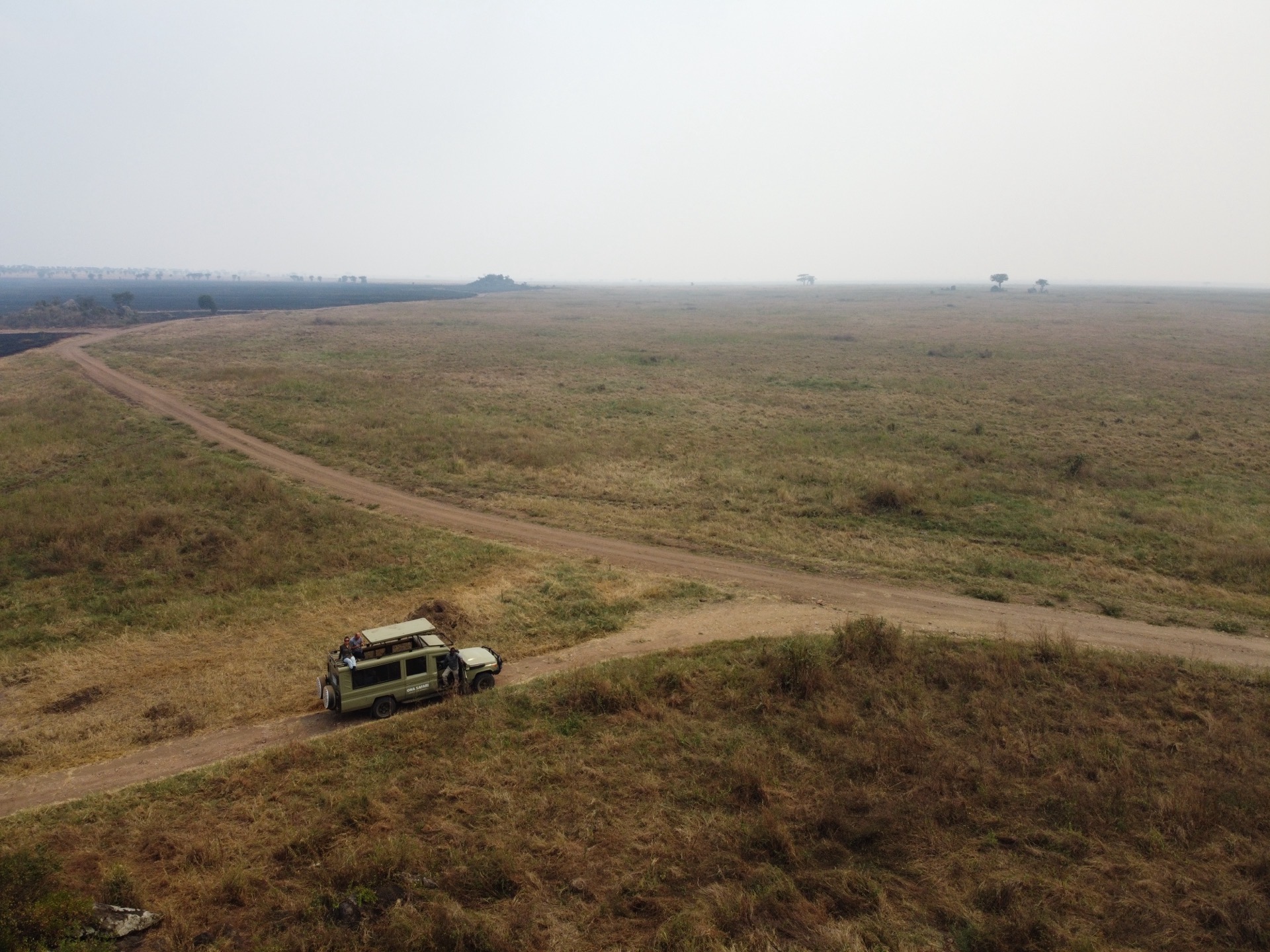
This is where the comparison tilts decisively for certain travelers. Zanzibar’s combination with mainland Tanzania is straightforward: same country, same visa, a domestic flight from Zanzibar to Arusha. The Tanzania Northern Circuit (Serengeti, Ngorongoro Crater, Tarangire, Lake Manyara) is one of the world’s great wildlife destinations and it is a logical next step from the beach, not a separate trip. The Serengeti is approximately 14,763 km², home to the 1.37 million wildebeest counted in the 2023 TAWIRI aerial census, and the Mara River crossing season runs July through October. Adding safari days to a Zanzibar beach holiday is a common way to visit Tanzania, and the beach at the end of a safari is a natural finish.
Thailand’s wildlife options are different in kind. National parks offer jungle trekking and elephant sanctuary visits, and the Similan Islands have marine wildlife. But a Thailand trip does not offer lions or the Great Migration.
Seasonal planning
Zanzibar has two main wind seasons. The Kusi, the southerly trade wind, runs approximately June through October and is cooler and drier, and the strong wind is the kitesurf season at Paje. This is also Tanzania’s dry season on the mainland, making it the prime safari season. A combined safari-beach trip in July or August catches both at their best. December to February is the Kaskazi (northeasterly) season, which is hot. Whale sharks are present at Mafia from October to March. March to May are the long rains. The east coast at Paje and Jambiani has a large tidal range to account for. The sea retreats hundreds of metres at low tide; the north coast at Nungwi and Kendwa is swimmable at virtually all tides.
Thailand’s seasons depend on which coast you visit: the Andaman coast and the Gulf of Thailand have different weather windows. Check a monthly climate guide for the islands you plan to visit. Zanzibar’s seasons are simpler to plan around.
Comparing Zanzibar to other popular beach and island destinations? The Zanzibar vs Bali guide covers surfing, yoga, Hindu temple culture, and crowd differences, two different island philosophies. The Mauritius comparison addresses the Indian Ocean luxury resort question. For the Tanzania safari that makes the Zanzibar case, the safari-plus-beach routing guide covers the full routing. For where to stay on Zanzibar, the area-by-area breakdown covers every coastal area with its trade-offs.
Frequently asked questions
Is Zanzibar or Thailand closer from Europe?
Zanzibar is significantly closer for most European travelers than Thailand. Condor operates a nonstop Frankfurt–Zanzibar route (approximately 9 hours 10 minutes); other European airlines connect via hubs such as Nairobi, Addis Ababa, or Dubai. Thailand is also a long-haul trip from Europe, so compare actual flight times for your dates. For German travelers, the Condor nonstop makes Zanzibar competitive on journey time.
Can I see whale sharks near Zanzibar?
Yes, seasonally. Whale sharks are present off the south coast of the main Zanzibar island, in open water south of Kizimkazi Dimbani village, from October to February. Mafia Island, which is not part of the Zanzibar archipelago and is reached by a short domestic flight from Dar es Salaam or Zanzibar (around 20 to 30 minutes), is the much better documented site, with encounters from October through March. Most standard whale shark snorkelling tours at Mafia cost USD 50–70 per person, with a wider range from about USD 30 to USD 200 depending on inclusions. Thailand also has whale shark sightings at certain dive sites, but Mafia is among the most reliable places for them in the Indian Ocean.
Is Zanzibar safer than Thailand?
Both destinations are generally safe for tourists when standard precautions are followed. The main practical risks on Zanzibar are petty theft in busy tourist areas, scams targeting tourists in Stone Town, and food hygiene in some restaurants. Check your government's current travel advice for both countries before you book, because it changes.
Which has better diving, Zanzibar or Thailand?
Both have serious diving in different ecosystems. Diving visibility around Pemba typically reaches 30–60 m, with strong currents at the eastern and southern sites. Mnemba Atoll is the best-known reef near the main island, with turtles, reef sharks and dense reef fish. Thailand's Similan Islands are a well-known dive area, and Ko Tao is a popular scuba certification spot. Reef condition is a separate question: the 2024 bleaching season in the Western Indian Ocean was severe, and a CORDAP coral restoration project covering 4 hectares at Mnemba Island runs through September 2027.
Can I combine Zanzibar with a Tanzania safari?
Yes, and this is one of Zanzibar's biggest advantages over Thailand for safari-minded travelers. A domestic flight connects Zanzibar to Arusha, the gateway to the northern circuit safari parks (Serengeti, Ngorongoro, Tarangire). The Serengeti park fee is USD 82.60 per adult per day; the mandatory entry insurance is USD 44 (ZIC, or NIC if you land on the mainland first; one policy per journey). Thailand does not offer a comparable wildlife combination in a single short-haul trip. If wildlife plus beach is the trip goal, Zanzibar wins this comparison.
What makes Zanzibar unique among beach destinations?
Several things are unique to Zanzibar that no other beach destination replicates. The Zanzibar red colobus (Piliocolobus kirkii) is endemic to Unguja island and two small nearby islands (Uzi and Vundwe), found nowhere else on earth, with a total population of 5,862 individuals in 342 groups. Stone Town's specific layering of Omani, Indian, British, and African architecture in one UNESCO-listed walkable historic city (inscribed 2000, site #173). The Swahili coast culture including Taarab music dating to the 1880s. And the island's role as the main slave-trading port of East Africa and the site of the 1873 abolition of the East African slave trade. These are the things that make Zanzibar irreplaceable. And that Thailand does not offer.
Sources and last verified
- UNESCO World Heritage Centre: Stone Town of Zanzibar: Confirms the 2000 inscription of Stone Town (List #173).
- Oryx: Zanzibar red colobus census: Source for the 5,862 individuals in 342 groups and the species' endemic range.
- Chole Mjini: whale sharks at Mafia: Describes whale shark snorkelling at Mafia Island and its season.
- CORDAP: Mnemba coral restoration: Describes the coral restoration project at Mnemba Island.
.