Facts & prices checked: 2026-10-09
I manage a hotel on Zanzibar’s east coast and have lived on the island since 2011. This page gives the plain answer to the question visitors ask most, built from government advisories and travel-health sources, without the travel-agent gloss or the panic.
The overall picture
Zanzibar is safe for tourists by East African standards. The UK FCDO (page last updated 19 May 2026, re-checked September 2026) advises against all-but-essential travel only within 20 km of the Tanzania-Mozambique border, and warns about no other area, Zanzibar included.
The US State Department is stricter: Level 3, “Reconsider Travel”, since 31 October 2025, citing unrest and demonstrations, crime and terrorism, especially in the Mtwara Region near the Mozambique border. That is on the mainland’s far south, not Zanzibar, but check the current advisory for your own government before you book.
What visitors actually run into:
- Petty theft in crowded places such as Stone Town markets and beaches
- Road accidents
- Swimming trouble on tidal beaches
- Pushy sales approaches and overcharging
Petty theft and scams
Pickpockets and con artists work crowded markets and transport hubs, and bags left on beaches go missing. The defence is routine.
- Carry only the cash you need for that outing. Passport, cards and spare cash go in the hotel safe, with a photo of the passport on your phone.
- Use a cross-body bag and keep it in front of you in crowds such as Forodhani at night and Darajani in the morning.
- Walk with your bag on the side away from the road and keep your phone in a pocket rather than in your hand.
- Never leave a bag unattended on the beach.
Ferry tickets: if you take the ferry from Dar es Salaam, buy only at the official port ticket offices or the operators’ websites. Street middlemen known as “papasi” inflate prices.
Beach vendors: approaches can be relentless, but one solo traveller who found them so still felt comfortable with standard precautions. A single firm “no thank you” with no explanation ends most of it, because an explanation becomes an opening to negotiate.
The sun and the heat
The thing I see go wrong most often with guests is the sun. Zanzibar is about 6 degrees south of the equator, and the wind hides how strong it is, so people burn and dehydrate without noticing. The Indian Ocean here is like a bathtub, and guests sit in the water for hours. Drink a lot, cover your head, and take a break in the shade at midday. The health guide has the sunscreen and hydration detail.
Swimming: tides, currents, urchins
East coast tides
The east and south-east coast (Paje, Jambiani, Bwejuu, Michamvi, Matemwe) has a large tidal range. At low tide the sea retreats hundreds of metres to the reef, and you cannot swim; the beach becomes a walking flat. The best swim window shifts by about 50 minutes each day, so ask your accommodation for that day’s tide. For Michamvi and Pingwe, Matlai explains the swimming windows in its tides and swimming guide. The north coast (Nungwi, Kendwa) is the exception, with deep water at virtually all tides. For the rhythm and village-by-village detail, see the east coast tides and villages guide.
Rip currents
A rip current pulls you out, not under. If you are caught in one, stay calm, do not swim straight back against it, swim parallel to the shore until you are out of it, then angle back in, and signal for help if needed. Do not swim alone, and do not swim at night.
Sea urchins
Sea urchins are present on the east coast flats, including at Paje. Wear reef shoes at low tide. If spines go in, remove them and disinfect the wound, and see a doctor if it does not settle.
Road safety
The main roads are tarmac, and the risk is how others drive. The US State Department advises avoiding dala-dalas, bajajis (three-wheeled taxis) and boda-bodas (motorbike taxis) because they are often poorly maintained and ignore traffic rules. Dala-dalas are privately owned minibuses; Zanzibar has no government public buses.
- Helmets. Wear one on any motorbike. Police often check.
- Transfers. Pre-arrange airport and long-distance transfers through your accommodation.
- After dark. Slow down on unlit, unpaved tracks, or wait for daylight.
- Renting a scooter. I think it is risky. Water trucks, construction trucks and dala-dalas drive fast and carelessly, and unmarked speed bumps are hard to see when the sun is low. You need your international driving licence and a local licence, which the rental company can usually arrange; without it you will have trouble with the police. Rental terms often exclude damage from traffic-law breaches, so read your insurance. Police checks can be a hassle and tourists are frequently targeted for invented violations and fines, so keep your papers with you, wear a helmet, follow the rules, smile and stay polite.
- Airport run. From Michamvi to the airport takes about 1 hour 15 minutes. For an international flight be at the airport 2 hours before, which means leaving Michamvi about 3.5 hours ahead, plus 30 minutes as a buffer. For a local flight you can leave later; I arrive about 1 hour before one.
Dress and conduct
Zanzibar is overwhelmingly Muslim (sources put it at about 95 to 99%). Away from the beach and resort, cover shoulders and knees, men and women alike. Swimwear and topless sunbathing in town cause offence, and naturism is forbidden. Modest dress also cuts unwanted attention, especially for solo women.
- Ramadan. Many local eateries close in daylight and the pace slows. You are not expected to fast, but avoid eating openly in villages. Ramadan starts about 11 days earlier each year, so check the dates for your trip.
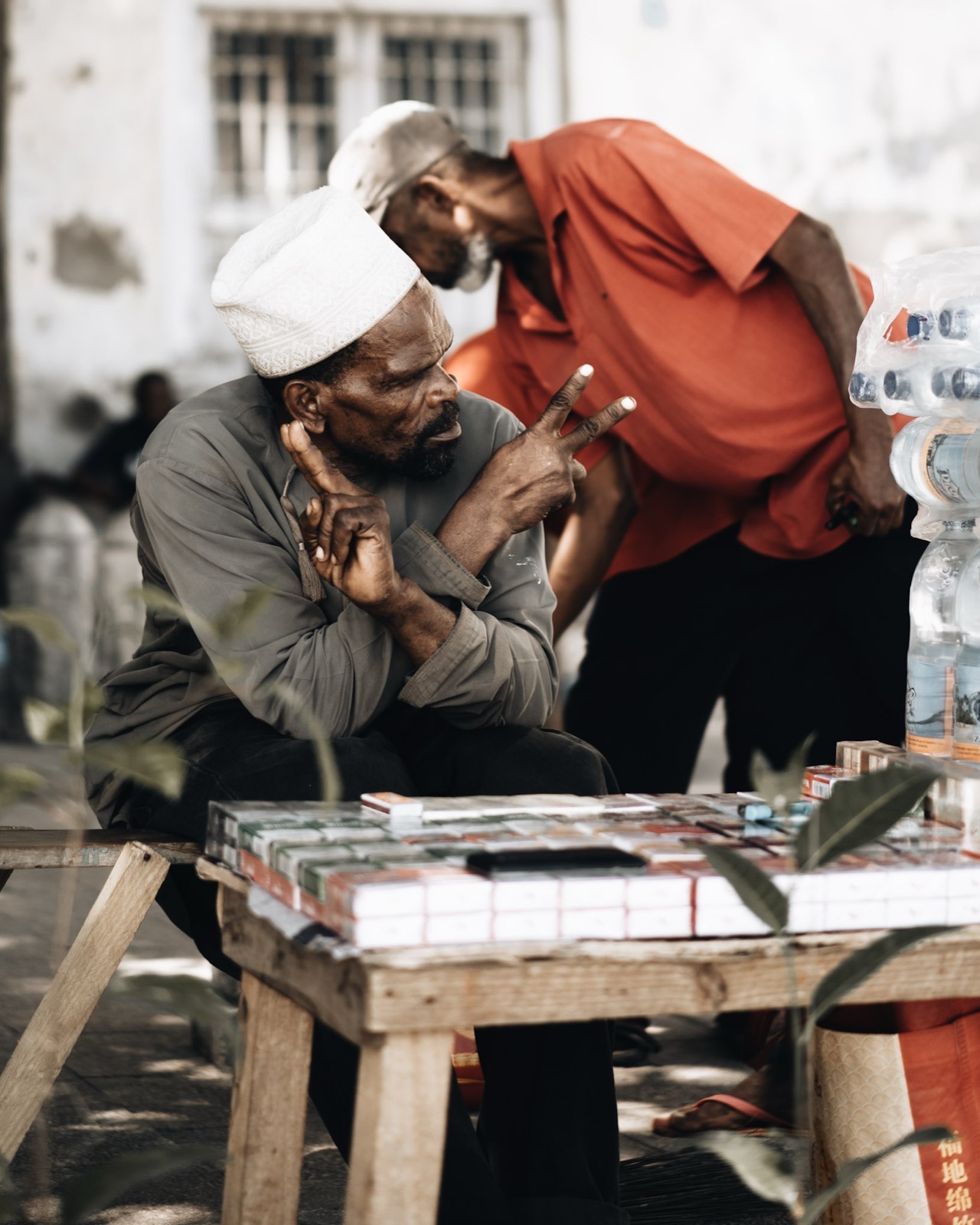
- Photos. Ask permission before photographing people, especially women. In Muslim communities photographing women without consent is considered inappropriate. “Je, naweza kupiga picha?” means “Can I take a photo?”.
Accommodation and cash
Most hotels and lodges on Zanzibar are secure, and theft from rooms in established places is uncommon. Visible valuables in a budget guesthouse raise the risk. A few habits cover it:
- Use the room safe for passport, bank cards and spare cash, and lock the room even for a short beach trip.
- Take only what you need to the beach: one phone, the day’s cash and a towel. Cameras, laptops and spare cash stay in the safe.
- Keep small notes for tips and small purchases, and withdraw larger sums of shillings in one go to cut ATM fees, rather than carrying a thick roll around town.
- Cards work at hotels and big restaurants, but taxis, markets and small tour operators usually want cash in Tanzanian shillings. Plan for that so you are not hunting for an ATM after dark.
Getting around at night
After dark, Stone Town and the beach walks between resorts are where visitors are most exposed. Use a taxi arranged by your accommodation rather than walking, particularly alone. Do not flag random cars on the road for longer trips. If you are heading back from a late dinner or a beach bar, ask the venue to call a driver. That one habit takes care of most after-dark risks.
Solo women
Solo women generally describe Zanzibar as safe, especially in tourist areas, with the usual awareness of scams, pickpockets and pushy beach vendors.
- Avoid walking alone at night and take a taxi after dark.
- Avoid beach walks alone after dark, in Stone Town and elsewhere.
- Book tours through your accommodation, not with someone who approaches you on the beach.
- Cover shoulders and knees in town and villages.
Persistent male attention does happen. A firm, calm no is the effective answer.
Medical facilities and evacuation
Medical infrastructure is basic by Western standards.
- Mnazi Mmoja Hospital (Kaunda Road, Stone Town): the only government hospital, the main referral and teaching hospital.
- Aga Khan Polyclinic (Old Dispensary, Stone Town): the private option for non-emergencies.
- Zanzibar Hyperbaric Chamber: managed by DAN, the only hyperbaric chamber in Tanzania.
On the east coast, MedExpress in Paje is a hospital with a pharmacy that accepts foreign travel insurance and can also come out to Michamvi; a new clinic in Michamvi is planned. We have never had to evacuate a guest in all these years, and MedExpress would advise what to do. Serious cases are stabilised and evacuated. The mandatory entry policy for Zanzibar-first arrivals (ZIC, USD 44 per adult, since October 2024; NIC if you land on the mainland first) covers about USD 50,000 in medical costs and does not replace your own travel health insurance. AMREF Flying Doctors’ Extended Regional visitor rate, which includes Zanzibar, is USD 30 for 14 days or USD 50 for 2 months.
Emergency numbers in circulation: police 999, general emergency 112, a health line on 199, and AMREF’s 24-hour line +254 20 699 2299. Save these and your insurer’s hotline before you travel. The Zanzibar health guide covers malaria, vaccines and the first-aid kit.
LGBTQ+ travellers
Same-sex sexual activity is illegal in Tanzania and on Zanzibar, punishable by prison, and the environment is not supportive. Expert Africa and other specialists advise discretion and no public displays of affection. Hotel rooms are private, but the legal risk is real. Whether to travel is a personal decision; being informed is not optional.
What to do if something goes wrong
- Theft: report it at the nearest police station and keep the report number, because insurers require it. Call your insurer.
- Road accident: stay at the scene, call 112 and your insurer, and go to the nearest clinic. Contact your embassy if injuries are serious.
- Lost passport: contact your embassy. A photo of the passport stored in the cloud speeds up the replacement.
Before you go: a safety checklist
- If Zanzibar is your first stop, buy ZIC at inbound.visitzanzibar.go.tz (if you forget, there is a counter at the airport; mainland first means NIC instead) and make sure your own policy covers evacuation (and diving or scooters if you plan either).
- Check your government’s current travel advisory for Tanzania.
- Save your insurer’s hotline, AMREF’s number if you buy it, and your accommodation’s number offline.
- Pack reef shoes, a cross-body bag and clothing that covers shoulders and knees.
- On arrival, ask your accommodation for the day’s tide times before planning a beach day.
Related guides: Tanzania solo female travel, Zanzibar solo travel, Zanzibar entry requirements, Zanzibar travel tips, Zanzibar budget and the Zanzibar hub. Choosing where to stay on the east coast? See where to stay, including Matlai.
Frequently asked questions
Is Zanzibar safe for tourists?
Yes. Violent crime against tourists is rare, and the UK FCDO (page updated 19 May 2026) warns against travel only within 20 km of the Tanzania-Mozambique border. The real risks are petty theft in Stone Town, road accidents and swimming hazards on the tidal east coast.
What is the most common problem for tourists on Zanzibar?
Underestimating the sun. The island is about 6 degrees south of the equator and the sea breeze hides the heat, so guests get sunburn and dehydration. Drink a lot and cover your head. People sit in the water for hours because it is like a bathtub, and burn without noticing.
What is the most common crime in Stone Town?
Pickpocketing and bag theft in crowded markets, transport hubs and on beaches. Carry only the cash you need, keep passport and cards in the hotel safe, wear a cross-body bag in front of you in crowds, and do not leave bags unattended on the beach.
Is it safe to swim on Zanzibar's east coast?
It depends on the tide. At Paje, Jambiani, Bwejuu, Michamvi and Matemwe the sea retreats hundreds of metres at low tide and you cannot swim. The best swim window shifts by about 50 minutes each day, so ask your hotel for the day's tide. Nungwi and Kendwa on the north coast have deep water at nearly all tides. For Michamvi and Pingwe, the hotel explains the swim windows in its [tides and swimming guide](https://www.hotelmatlai.com/hotel-michamvi-zanzibar/michamvi-pingwe-tides-swimming-guide).
Is Zanzibar safe for solo women travellers?
Generally yes, especially in tourist areas. Avoid walking alone at night and take a taxi after dark, cover shoulders and knees in Stone Town and villages, and book tours through your accommodation. Persistent male attention and pushy beach vendors occur, and a firm no is the effective response.
What are the risks for LGBTQ+ travellers?
Same-sex sexual activity is illegal on Zanzibar and punishable by prison, and the environment is not supportive. Expert Africa and other specialists advise discretion and no public displays of affection. Whether to travel is your decision; know the law first.
What medical care is available on Zanzibar?
Mnazi Mmoja Hospital in Stone Town is the only government hospital, and the Aga Khan Polyclinic is the private option. The only hyperbaric chamber in Tanzania is also here. Serious cases are evacuated, so carry your own insurance with evacuation plus the mandatory entry policy (ZIC, USD 44, if Zanzibar is your first stop; NIC if you land on the mainland first). On the east coast, MedExpress in Paje accepts foreign travel insurance. Details are in the [Zanzibar health guide](/en/zanzibar/health/).
Is road travel safe on Zanzibar?
The main risk is other road users. The US State Department advises avoiding dala-dalas, bajajis and boda-bodas because they are often poorly maintained and ignore traffic rules. Wear a helmet on any motorbike; police often check. Use pre-arranged transfers for longer trips.
Should I rent a scooter on Zanzibar?
I think it is risky: water trucks, construction trucks and dala-dalas drive fast and carelessly, and speed bumps are often unmarked and hard to see when the sun is low. If you do, bring your international driving licence and a local licence (the rental company usually arranges it), wear a helmet, follow the rules and be polite with the police at the checks.
What do the government advisories say?
The UK FCDO advises against all-but-essential travel only within 20 km of the Mozambique border and names no other area, Zanzibar included. The US State Department rates Tanzania Level 3, Reconsider Travel, since 31 October 2025, citing unrest, crime and terrorism, especially in the Mtwara Region. Both are checked monthly on this site.